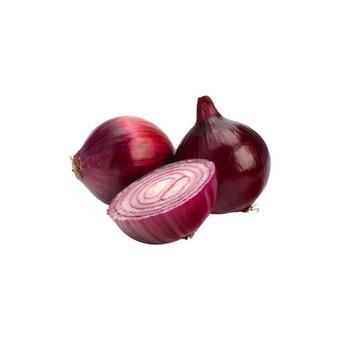
Onion 500gm
$4.85
Add to cart
Onion
Also Known As: Pyaz, Ullipaya, Eerulli, Vengayam
Category: Vegetable → Root Vegetables
Onion is one of the most commonly used kitchen vegetables and is an essential ingredient in many Indian dishes. It adds natural sweetness, aroma and flavour when used raw or cooked.
Our Onions are sourced through relationships with various farming families in and around Bengaluru, Karnataka, using traditional natural farming and indigenous agricultural practices. The actual farmer and source may vary from batch to batch depending on seasonal availability.
We use natural handling and storage methods rather than relying on chemical preservatives to artificially extend the shelf life of fresh produce.
Benefits of Using
Onions have useful nutritional characteristics:
- Provide dietary fibre.
- Contain vitamin C and vitamin B6.
- Provide minerals such as potassium.
- Contain naturally occurring plant compounds, including quercetin.
- Add natural flavour and aroma to food without needing large quantities.
These are general nutritional characteristics and are not medical claims.
Common Uses
Onions can be used for:
- Sambar
- Curries and gravies
- Dal
- Rasam
- Vegetable stir-fries
- Onion chutney
- Onion pakoda
- Onion dosa
- Biryani and pulao
- Salads
- Pickles
- Masala preparations
- Everyday Indian cooking
Natural Freshness & Shelf Life
Onions are a natural agricultural product that can be stored for a reasonable period when kept under suitable conditions.
During storage, you may naturally notice:
- Drying of the outer skin
- Minor skin marks
- Sprouting
- Softening
- Changes in outer skin colour
- Moisture loss
Individual onions may also vary in size, firmness and storage life.
Why Onions May Spoil
Fresh onions naturally deteriorate when exposed to excess moisture, humidity, heat or poor ventilation.
We do not rely on chemical preservatives to artificially extend the shelf life of our produce. Proper storage is therefore important to maintain onion quality.
A soft, wet or visibly mouldy onion should be separated from the good onions.
Storage
For better freshness:
- Store onions in a cool, dry and well-ventilated place.
- Avoid storing them in areas with high humidity.
- Do not keep them in a sealed plastic bag where moisture can accumulate.
- Keep them away from direct sunlight.
- Avoid storing onions together with vegetables that release considerable moisture.
- Remove soft or damaged onions promptly.
- Once cut, refrigerate the remaining portion in a suitable covered container and use promptly.
Natural Variation
Onions may naturally vary in:
- Size
- Shape
- Skin colour
- Firmness
- Bulb size
- Skin thickness
- Aroma
- Sprouting stage
- Minor surface marks
These differences can occur naturally due to variety, season, weather, soil conditions, harvesting and storage conditions.
Replacement Policy
Generally, fresh vegetables are not eligible for replacement because of normal natural variation or ordinary spoilage after delivery.
Differences in size, shape, colour, firmness, minor skin marks, natural drying or sprouting during storage are considered normal characteristics of fresh produce.
If there is a genuine quality issue that was already present at the time of delivery, please contact us with clear photographs and your order details. Each case will be reviewed individually.
Our Commitment
Onions are a natural agricultural product whose size, appearance, firmness and storage life can vary according to variety, season, weather, soil, harvesting and storage conditions.
Our aim is to provide naturally handled fresh produce sourced through farmer relationships while helping customers understand the real characteristics and proper storage of fresh farm produce.
Know the farmer. Know the source. Understand the food. Store it properly. Enjoy it fresh.
| Weight | 0.5 kg |
|---|
Related products