- You have no items in your shopping cart
- Continue Shopping


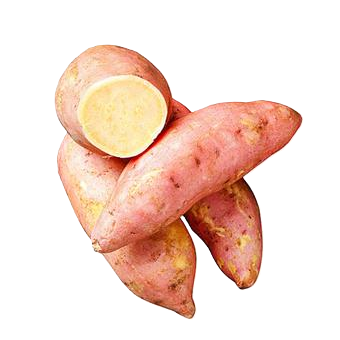
Sweet Potato 500 gms
$4.85
Add to cart
Sweet Potato
Also Known As: Sweet Potato, Shakarkandi
Sweet Potato is a naturally sweet, starchy root vegetable with a soft texture when cooked. It is commonly enjoyed boiled, steamed, roasted or incorporated into traditional dishes.
Our Sweet Potatoes are sourced from various farming families in and around Bengaluru, Karnataka, following traditional and indigenous farming practices. The actual farmer, growing area, variety and harvest characteristics may vary depending on the season and availability.
As an underground root crop, Sweet Potato naturally varies in size, shape, skin colour and flesh colour depending on the variety and growing conditions.
Benefits of Using
Sweet Potato naturally provides:
- Carbohydrates, which contribute to energy intake.
- Dietary fibre, particularly when the skin is consumed.
- Beta-carotene in orange-fleshed varieties.
- Vitamin C in varying amounts.
- Potassium, a naturally occurring mineral.
- Small amounts of vitamin B6 and other nutrients.
These are general nutritional characteristics and are not medical claims.
Common Uses
Sweet Potato can be enjoyed in many ways:
- Boiled or steamed
- Roasted sweet potato
- Sweet potato curry
- Sweet potato poriyal
- Sweet potato fries
- Sweet potato chaat
- Traditional fasting preparations
- Sweet potato halwa
- Soups
- Mashed sweet potato
- Added to mixed vegetable dishes
- Used in traditional snacks and desserts
Natural Freshness & Shelf Life
Sweet Potatoes are harvested from the soil and can generally be stored longer than high-moisture vegetables when kept under suitable conditions.
During storage, they may naturally:
- Lose some moisture
- Develop slight skin wrinkles
- Become softer
- Develop small sprouts
- Show minor surface marks
- Develop soft or damaged areas if exposed to excess moisture
The storage life depends on variety, maturity at harvest, handling, temperature and humidity.
Why Sweet Potato May Spoil
Sweet Potatoes are living root crops and can deteriorate when exposed to unsuitable storage conditions.
They may spoil faster when:
- Stored in excessive moisture
- Kept in a wet or poorly ventilated container
- Exposed to physical damage
- Stored in unsuitable temperatures
- Kept for an extended period after harvesting
We rely on proper harvesting, handling and natural storage practices, rather than chemical preservatives to artificially extend the shelf life of fresh produce.
Storage
For better storage:
- Keep Sweet Potatoes in a cool, dry and well-ventilated place.
- Keep them away from direct sunlight.
- Avoid washing before long-term storage.
- Do not keep them in a tightly sealed plastic bag where moisture can accumulate.
- Handle gently to avoid cuts and bruises.
- Check periodically and remove any damaged or mouldy pieces.
- Once cut or cooked, refrigerate and consume appropriately.
Natural Variation
Naturally grown Sweet Potatoes may vary in:
- Size
- Length
- Thickness
- Shape
- Skin colour
- Flesh colour
- Surface texture
- Firmness
- Sweetness
- Weight
Some roots may be long and slender while others may be short, thick or irregularly shaped. These differences are natural and can be influenced by variety, soil, weather, maturity and growing conditions.
Replacement Policy
Generally, fresh agricultural products are not eligible for replacement because of normal natural variation or ordinary deterioration after delivery.
Differences in size, shape, colour, firmness, sweetness and surface appearance are considered normal characteristics of Sweet Potatoes.
If there is a genuine quality issue that was already present at the time of delivery, please provide clear photographs and the relevant order details. The matter can be reviewed on a case-by-case basis.
Our Commitment
We aim to provide Sweet Potatoes sourced through our network of farming families in and around Bengaluru, Karnataka, using traditional and indigenous farming practices.
As with all fresh agricultural produce, Sweet Potatoes naturally vary according to variety, season, soil, weather, maturity, harvesting and storage conditions. We believe customers should understand these natural characteristics and store the product properly to enjoy its natural taste and texture.
Know the farmer. Know the source. Understand the food. Store it properly. Enjoy it fresh.
| Weight | 0.5 kg |
|---|
Related products