

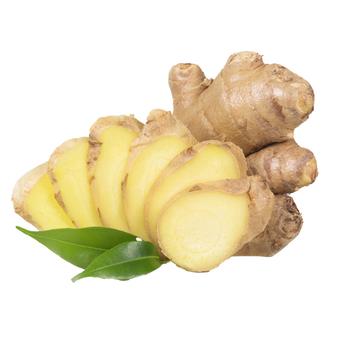
Ginger (Forest) 200 gm
$3.50
Add to cart
Forest Ginger
Also Known As: Forest Ginger, Wild Ginger
Forest Ginger is a traditional ginger-type rhizome valued for its naturally strong aroma, warm flavour and distinctive character. It is used in traditional cooking as a flavouring ingredient and is generally used in smaller quantities because of its pronounced taste.
Our Forest Ginger is sourced through farming families and traditional cultivation networks associated with Bengaluru, Karnataka, using indigenous and traditional farming practices. The actual source, variety and characteristics may vary according to season and availability.
Like other fresh rhizomes, Forest Ginger is an agricultural product and may show natural differences in size, shape, skin and aroma.
Benefits of Using
Forest Ginger naturally provides:
- Naturally occurring gingerols and other plant compounds responsible for its characteristic pungent flavour.
- Small amounts of vitamin B6.
- Small amounts of manganese.
- Small amounts of potassium and other naturally occurring minerals.
- A strong natural aroma and flavour, making it useful as a seasoning ingredient.
- Can add warmth and flavour to food without requiring large quantities.
These are general nutritional characteristics and are not medical claims.
Common Uses
Forest Ginger can be used in a variety of traditional preparations:
- Ginger tea and hot beverages
- Rasam
- Sambar
- Curries and gravies
- Dal and lentil dishes
- Chutneys
- Ginger-garlic paste
- Pickles
- Spice pastes and masalas
- Soups
- Stir-fries
- Traditional herbal and culinary preparations
It can be used fresh, sliced, crushed, grated or ground according to the preparation.
Natural Freshness & Shelf Life
Fresh ginger is a living rhizome and naturally changes after harvesting. Depending on storage conditions, it may gradually:
- Lose moisture and become lighter
- Develop a slightly wrinkled skin
- Become less firm
- Develop small shoots
- Show natural surface changes
- Develop mould if exposed to excess moisture
The shelf life can vary considerably depending on temperature, humidity, handling and how fresh the rhizome was at the time of harvest.
Why Forest Ginger May Spoil
Fresh ginger contains moisture and can deteriorate when exposed to unsuitable storage conditions.
It may spoil faster when:
- Stored in excessive moisture
- Kept wet after washing
- Stored in a tightly sealed container with condensation
- Exposed to physical damage
- Kept at unsuitable temperatures for extended periods
We rely on proper harvesting, handling and natural storage practices, rather than chemical preservatives to artificially extend the shelf life of fresh produce.
Storage
For better freshness:
- Keep Forest Ginger dry.
- Refrigerate if you intend to keep it for an extended period.
- Avoid washing the entire batch before storage.
- If washed, allow it to dry completely before storing.
- Store in a suitable breathable or moisture-controlled vegetable bag/container.
- Remove damaged or mouldy pieces promptly.
- For longer storage, ginger can also be peeled, grated or cut and frozen in suitable portions.
Natural Variation
As a naturally grown rhizome, Forest Ginger may vary in:
- Size
- Shape
- Thickness
- Skin colour
- Skin texture
- Number of branches or fingers
- Firmness
- Aroma
- Pungency
These differences are natural and can be influenced by variety, soil, weather, growing conditions, maturity and harvesting time.
Replacement Policy
Generally, fresh agricultural products are not eligible for replacement because of normal natural variation or ordinary deterioration after delivery.
Differences in size, shape, colour, skin appearance, branching and aroma are natural characteristics of Forest Ginger.
If there is a genuine quality issue that was already present at the time of delivery, please provide clear photographs and the relevant order details. The matter can be reviewed on a case-by-case basis.
Our Commitment
We aim to provide Forest Ginger sourced through traditional farming networks and farming families associated with Bengaluru, Karnataka.
Fresh rhizomes naturally vary according to variety, season, soil, weather, maturity and storage conditions. We believe customers should understand these natural characteristics and store the product properly to enjoy its flavour and freshness.
Know the farmer. Know the source. Understand the food. Store it properly. Enjoy it fresh.
| Weight | 0.200 kg |
|---|
Related products