
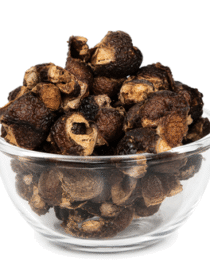
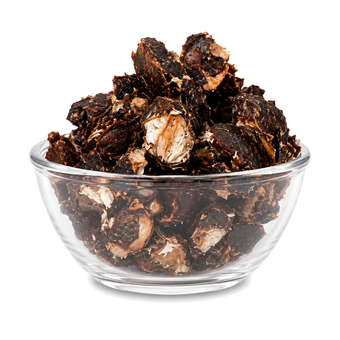
Tamarind 500gm
$7.85
54 in stock
Add to cart
Tamarind is the naturally sour fruit of the tamarind tree and is widely used in Indian cooking. The ripe fruit develops a characteristic tangy, sour flavour and is commonly used to add acidity and depth to traditional dishes.
Our Tamarind is sourced through various farming families in India, depending on seasonal availability and crop sourcing.
Our Sourcing & Farming Approach
We source agricultural products through our network of farming families in India. Different crops come from different regions depending on their soil, climate and growing conditions.
We prefer traditional/indigenous agricultural varieties and retain the natural character of the product. We do not intentionally adulterate our products.
The actual farmer/source may vary from batch to batch depending on crop availability.
We do not represent the product as certified organic unless the applicable certification is available.
Why Can Storage Pests Appear?
Tamarind is a natural agricultural product and, under warm and humid storage conditions, occasional storage insects or pests may appear.
Storage pests can sometimes be present in agricultural products before they become visible and may develop during storage.
The presence of an occasional storage insect does not automatically mean that the product has been adulterated.
We prefer natural handling and storage practices rather than relying on chemical pest-control treatments to prevent every possible storage insect. Therefore, occasional storage pests can occur in naturally handled agricultural products.
How to Store Tamarind
For better storage after receiving the product:
- Keep it in a clean, completely dry, airtight container.
- Store in a cool, dry place.
- Protect from humidity and moisture.
- Keep away from direct sunlight and heat.
- Always use clean, dry hands or a dry spoon.
- Check periodically, particularly during warm and humid weather.
- Clean and completely dry the container before storing a new batch.
About Fungus & White Worms
Exposure to moisture or unsuitable storage conditions can result in fungal growth/mould or insect larvae (white worms).
These are different from occasional storage insects.
We generally do not replace Tamarind for normal natural variation or occasional storage insects.
However, if you receive Tamarind showing visible fungus/mould, white worms/larvae or significant deterioration, please contact us with clear photographs and your order details so that we can review the issue.
Common Uses
Tamarind is commonly used in:
- Sambar
- Rasam
- Tamarind rice / Pulihora
- Chutneys
- Tamarind chutney
- Pulusu and traditional gravies
- Curries
- Pickles
- Fish and vegetable preparations
- South Indian traditional recipes
- Tamarind-based sauces and preparations
How to Use
Soak the required quantity of Tamarind in warm water and extract the pulp. Strain the liquid to remove fibres and seeds before adding it to the recipe.
The quantity can be adjusted according to the desired level of sourness.
Natural Variation
As a natural agricultural product, Tamarind may naturally vary in:
- Colour
- Moisture
- Texture
- Sourness
- Fibre content
- Seed size
- Aroma
These variations can occur between crops and batches and do not necessarily indicate a quality problem.
| Weight | 0.5 kg |
|---|
Related products