- You have no items in your shopping cart
- Continue Shopping

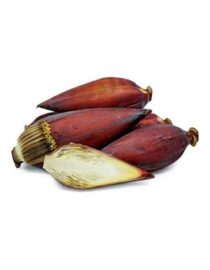
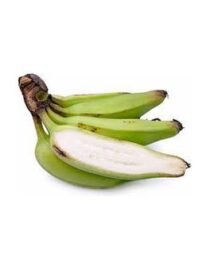
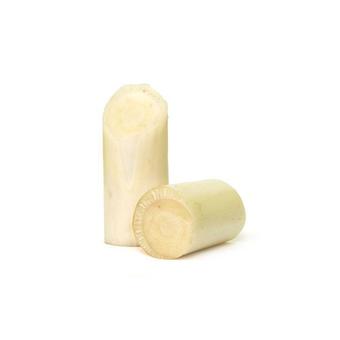
Banana Stem 1 Piece
$7.35
1 in stock
Add to cart
Banana Stem
Also Known As: Banana Stem, Banana Pith, Vazhaithandu, Arati Dosa
Category: Vegetable → Fresh Vegetables
About Banana Stem
Banana Stem is the tender inner portion of the banana plant’s pseudostem. It is a traditional vegetable used in several South Indian cuisines.
Our Banana Stem is sourced through relationships with various farming families in and around Bengaluru, Karnataka, using traditional natural farming and indigenous agricultural practices. The actual farmer and source may vary from batch to batch depending on seasonal availability.
We use natural handling and preservation methods rather than relying on chemical preservatives to artificially extend the shelf life of fresh vegetables.
Benefits of Using
Banana Stem has useful nutritional characteristics:
- Provides dietary fibre.
- Contains potassium and other minerals.
- Provides small amounts of vitamin C and vitamin B6.
- Has a high natural moisture content.
- Its crisp, fibrous texture makes it suitable for curries, stir-fries, kootu and traditional preparations.
These are general nutritional characteristics and are not medical claims.
Common Uses
Banana Stem can be used for:
- Vazhaithandu poriyal
- Banana stem curry
- Banana stem kootu
- Banana stem pachadi
- Banana stem stir-fry
- Banana stem dal
- Banana stem soup
- Banana stem salad
- Traditional South Indian vegetable preparations
Preparation Before Cooking
Banana Stem is naturally fibrous and requires some preparation:
- Remove the tougher outer layers to reach the tender inner portion.
- Slice the tender stem into thin rounds.
- Remove the visible fibres as you slice.
- Cut into smaller pieces according to the recipe.
- Keep the cut pieces in water, often with lemon or buttermilk, to help reduce browning.
- Drain and rinse before cooking.
Preparation methods may vary according to regional recipes.
Natural Freshness & Shelf Life
Banana Stem is a fresh and highly perishable vegetable. Once cut and harvested, it naturally loses moisture and freshness.
You may notice:
- Browning of the cut surface
- Loss of crispness
- Drying of the outer surface
- Softening
- Moisture loss
- Changes in appearance during storage
For the best texture and taste, Banana Stem should be prepared and cooked soon after delivery.
Why Banana Stem May Spoil Faster
Fresh Banana Stem naturally deteriorates with time, especially in warm and humid conditions. We do not rely on chemical preservatives to artificially extend the shelf life of fresh vegetables.
Therefore, some natural browning, drying or softening may occur during storage. This is a characteristic of fresh produce and does not automatically indicate poor quality.
Storage
For better freshness:
- Refrigerate Banana Stem after receiving it.
- Keep it dry until you are ready to prepare it.
- If already cut, keep it covered in the refrigerator and use promptly.
- Keep prepared pieces in water with a suitable souring ingredient if your recipe requires it.
- Remove any damaged portions before cooking.
- Avoid keeping it together with spoiled vegetables.
Natural Variation
Banana Stem may naturally vary in:
- Thickness
- Length
- Size
- Firmness
- Moisture content
- Fibre content
- Colour
- Tenderness
These differences can occur naturally due to banana variety, season, weather, soil conditions and harvesting stage.
Replacement Policy
Generally, fresh vegetables are not eligible for replacement because of normal natural variation or ordinary spoilage after delivery.
Differences in size, thickness, fibre content, minor browning or natural moisture loss after delivery are considered normal characteristics of fresh produce.
If there is a genuine quality issue that was already present at the time of delivery, please contact us with clear photographs and your order details. Each case will be reviewed individually.
Our Commitment
Banana Stem is a delicate fresh agricultural product whose appearance, texture and shelf life can vary naturally according to variety, season, weather, harvesting and storage conditions.
Our aim is to provide naturally handled fresh vegetables sourced through farmer relationships while helping customers understand the real characteristics and proper preparation of traditional vegetables.
Know the farmer. Know the source. Understand the food. Store it properly. Enjoy it fresh.
| Weight | 1 kg |
|---|
Related products