- You have no items in your shopping cart
- Continue Shopping

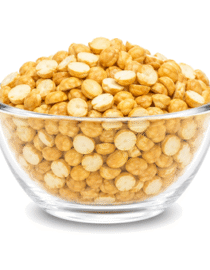
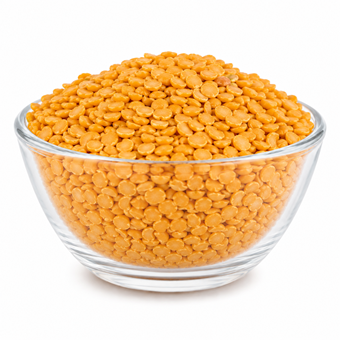
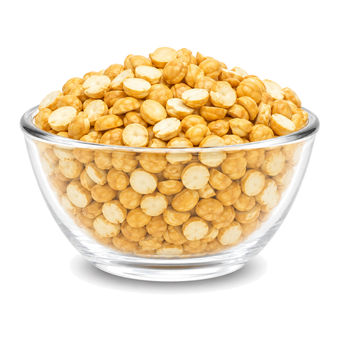
Toor Dal 500gm
$5.25
Traditional • Naturally Farmed • Indigenous Seeds • Naturally Preserved
67 in stock
Add to cart
Toor Dal, also known as Pigeon Pea / Split Pigeon Pea, is a staple pulse used in many traditional Indian dishes.
At Sampoorna Swadesi, we believe pulses should be sourced with the same care as other traditional foods. Different grains and pulses require different soil conditions, climate and growing environments, so we work with farmers from different regions rather than expecting one farming location to produce everything.
Our Toor Dal is sourced through our network of farming families in Andhra Pradesh.
Know Our Farmers
Our grains and pulses come from different farming families because each crop has its own agricultural requirements.
Our farmer network includes:
- Rajesh – Macherla, Andhra Pradesh
- Siva Reddy – Rayachoti, Andhra Pradesh
- Jagadeesh Rao – Chittoor, Andhra Pradesh
- Ashok Reddy – Bapatla, Andhra Pradesh
- Yedukondalu – Piduguralla, Andhra Pradesh
The actual farmer/source may vary depending on the particular batch.
Why do we work with different farmers?
Different crops perform differently according to:
- Soil type
- Climate
- Rainfall
- Growing conditions
- Traditional local farming knowledge
Rather than forcing every crop to come from one location, we work with farmers who are suitable for the particular crop.
Farmer → Land → Crop → Traditional Farming → Your Kitchen
Natural Farming Using Indigenous Seeds
Our Toor Dal is cultivated using natural farming methods and indigenous/traditional seeds.
We value farming practices that have been developed and passed down through generations.
Our approach focuses on:
- Traditional farming knowledge
- Indigenous seeds
- Natural farming methods
- Direct relationships with farming families
- Traceability of the source
- Minimising unnecessary chemical intervention
We do not describe the product as certified organic unless the relevant certification is available.
For us, knowing who grows the crop and understanding how it is cultivated is an important part of food quality.
Our Natural Preservation Approach
After harvesting and processing, we follow natural preservation and storage practices to help maintain the shelf life of the pulse rather than relying on chemical preservatives.
This means the product may behave differently from heavily treated or highly processed pulses.
Natural food can have natural variations.
We want our customers to understand this before purchasing rather than expecting every packet to remain completely insect-free indefinitely.
Why Can a Black Pest Appear in Toor Dal?
An important message for our customers
You may occasionally notice a small black storage insect/pest in Toor Dal.
Stored pulses and grains can naturally develop storage pests, particularly under warm and humid conditions. Storage insects can originate from the crop or become visible later during storage.
This does not automatically mean that the Toor Dal has been adulterated.
However, customers should always inspect food before cooking and should not consume food that shows signs of spoilage or deterioration.
Why do we explain this?
We prefer to be transparent.
We do not want customers to assume that a naturally handled pulse must look exactly the same as a heavily treated commercial product.
Natural farming and natural preservation come with responsibilities for both the seller and the customer.
When Should You Contact Us?
An occasional storage pest is different from a serious quality problem.
Please contact us if you notice:
✓ Visible fungus / mould
✓ White worms / larvae
✓ Significant infestation
✓ Dampness or serious deterioration
✓ Unusual or unacceptable odour
✓ Other significant quality concerns
Please send us photographs together with your order number and batch/lot details, where available.
We will review the matter and assist accordingly.
SFA advises that stored grains should be kept in tightly sealed containers in a cool, dry place and checked regularly for storage pests.
How to Store Toor Dal
Proper storage is especially important in Singapore’s warm and humid environment.
After receiving your Toor Dal:
- Store it in a cool, dry place.
- Keep the packet tightly sealed.
- After opening, use a clean, dry, airtight food-grade container where appropriate.
- Keep away from moisture.
- Avoid direct sunlight.
- Do not open multiple packets unnecessarily.
- Check the stored dal periodically.
If you finish one packet and reuse the storage container, wash and completely dry the container before refilling it. SFA recommends these types of storage practices for reducing storage-pest problems in grains.
How to Use Toor Dal
Toor Dal is a versatile pulse commonly used in Indian cooking.
It can be used for:
- Dal
- Sambar
- Rasam preparations
- Dal-based curries
- Traditional vegetable-dal dishes
- Other regional Indian recipes
Basic preparation
- Sort the dal and check for any foreign material.
- Wash thoroughly with clean water.
- Soak if preferred.
- Cook until soft using a pressure cooker, pot or other preferred cooking method.
- Season according to your recipe.
Cooking time and water quantity can vary depending on the age and storage condition of the dal.
Toor Dal Replacement Policy
We want to be transparent about our replacement policy.
We generally do NOT replace Toor Dal because of:
- An occasional black storage pest
- Minor natural variation in size
- Minor natural variation in colour
- Natural variation between batches
- Customer preference after opening the packet
Natural storage pests can occur in stored grain products, particularly under suitable environmental conditions.
Replacement will be considered for genuine quality problems such as:
✓ Fungus / mould
✓ White worms / larvae
✓ Significant infestation
✓ Serious deterioration
✓ Other substantial product-quality issues
Please contact us promptly with photographs and order details.
Singapore Home Delivery
$8 Delivery Charge Across Singapore
For our regular home delivery service:
Place your order before 5:00 PM every Thursday
➡️ Home Delivery on Saturday or Sunday
Customer Support
- Customer Support Hotline: +65 8455 5543. WhatsApp text messages only – No voice calls
- Working Hours: 10:30 AM – 7:00 PM
- Shop Online: WWW.SampoornaSwadesi.SHOP
Sampoorna Swadesi Promise
Pure • Natural • Traditional
We believe food should have a traceable story.
Indigenous Seeds
↓
Natural Farming
↓
Careful Processing
↓
Natural Preservation
↓
Your Family
We don’t promise that naturally handled food will always look perfectly uniform.
We promise to be transparent about what we source and how we handle it.
Know Your Farmer. Know Your Food.
Good Food | Pure Living | A Healthier You
| Weight | 0.5 kg |
|---|
Related products