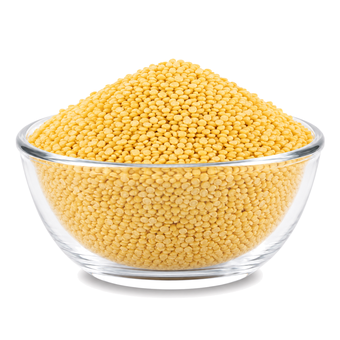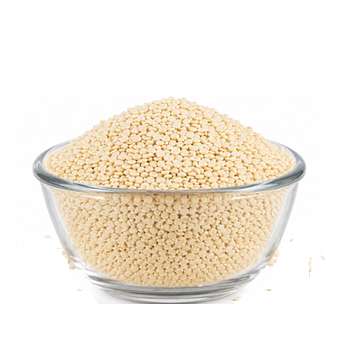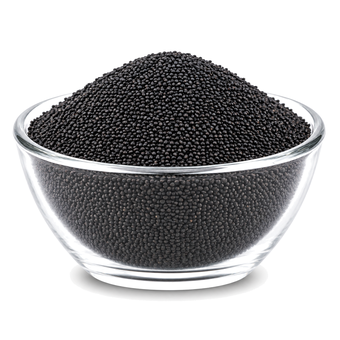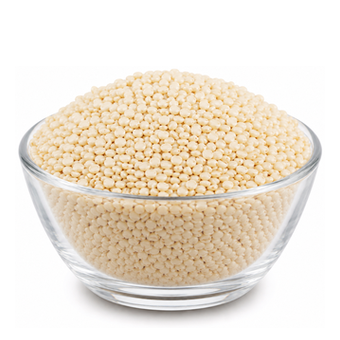


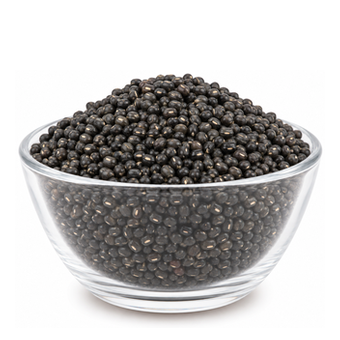
Urad Dal Whole with skin (Black Gram) 500gm
$4.95
77 in stock
Add to cart
Product Description
Urad Dal, also known as Black Gram Dal, is a traditional Indian pulse widely used in everyday cooking. It is an important ingredient in many South Indian and North Indian preparations such as dal, idli, dosa, vada, papad and other traditional recipes.
At Sampoorna Swadesi, our grains and pulses are sourced from different farming families because different crops require different soil, climate and growing conditions. We therefore work with farmers from different regions who cultivate crops according to the suitability of their land and local environment.
Know Your Farmers
Our grains and pulses are cultivated by farming families including:
- Rajesh – Macherla, Andhra Pradesh
- Siva Reddy – Rayachoti, Andhra Pradesh
- Jagadeesh Rao – Chittoor, Andhra Pradesh
- Ashok Reddy – Bapatla, Andhra Pradesh
- Yedukondalu – Piduguralla, Andhra Pradesh
The farmer and source may vary depending on the crop and batch. Different farming families cultivate different grains and pulses according to their local soil and climatic conditions.
Natural Farming & Indigenous Seeds
Our Urad Dal is cultivated using natural farming methods and indigenous/traditional seeds, following the farming practices of the respective farming families.
Our focus is on maintaining a direct relationship with farmers and understanding who grows our food and where it comes from.
We do not claim organic certification for this product. Instead, our approach focuses on natural farming practices, indigenous/traditional seeds and traceable sourcing from farming families.
Natural Preservation
We follow natural preservation and storage methods to help maintain the shelf life of our grains and pulses, rather than relying on chemical preservatives as part of our approach.
As a naturally sourced agricultural product, Urad Dal may show natural variations in colour, size, texture and appearance between different batches.
Why Can Black Pests Appear in Urad Dal?
Customers may occasionally notice small black storage insects/pests in Urad Dal.
Stored pulses can naturally be affected by storage insects, particularly in warm and humid conditions. These insects may originate from the crop or become visible later during storage.
The occasional presence of a storage insect does not by itself mean that the product has been adulterated.
We want our customers to understand that naturally handled grains and pulses can sometimes experience storage pests and that this is different from genuine food deterioration.
How to Store Urad Dal
After receiving the product:
- Store it in a clean, dry and airtight container.
- Keep it away from moisture and direct sunlight.
- Check the dal periodically during storage.
- Always use a clean, dry spoon.
- Clean and completely dry the container before refilling.
- Avoid storing unnecessarily large quantities for very long periods.
If you notice fungus/mould, white worms or larvae, unusual moisture, serious infestation or significant deterioration, please contact us with photographs and your order/batch details.
Replacement Policy
Because Urad Dal is a naturally sourced agricultural product, minor natural variations and occasional black storage pests are not automatically considered a product defect.
Generally, we do not replace Urad Dal Split solely because of the presence of occasional black storage pests.
However, we will consider replacement in the event of a genuine quality issue, particularly where fungus/mould or white worms/larvae are found.
Please contact us as soon as possible with photographs and the relevant order or batch information so that the issue can be reviewed.
How to Use Urad Dal
Urad Dal is a versatile ingredient and can be used for:
- Dal
- Idli and dosa batter
- Medu vada
- Dahi vada
- Papad
- Traditional curries
- Pongal and other rice preparations
- South Indian chutney and tempering preparations
- Various regional Indian recipes
Wash thoroughly before cooking and prepare according to your preferred recipe.
Our Sampoorna Swadesi Approach
At Sampoorna Swadesi, we believe that knowing who grows our food and where it comes from is important.
Different grains and pulses need different soil and climatic conditions. Therefore, we work with farming families from different regions rather than expecting every crop to come from one location.
Our approach is:
Know the Farmer → Know the Source → Respect Traditional Farming → Bring Better Food Home
We focus on our relationships with farming families, traditional agricultural knowledge and traceable sourcing rather than treating an organic certification label as the only measure of how food is grown.
| Weight | 0.5 kg |
|---|