- You have no items in your shopping cart
- Continue Shopping

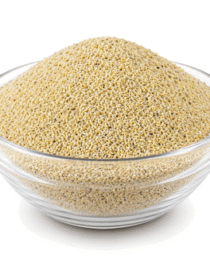
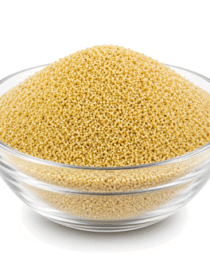
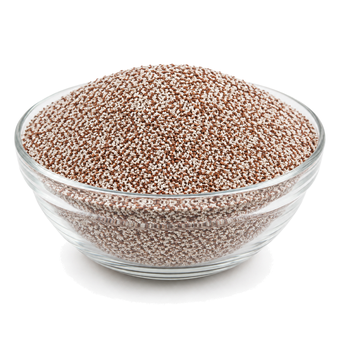
Ragi Idly Ravva 400gm
$3.95
Traditional Ragi • Coarsely Milled • Suitable for Idly • From Farming Families
24 in stock
Add to cart
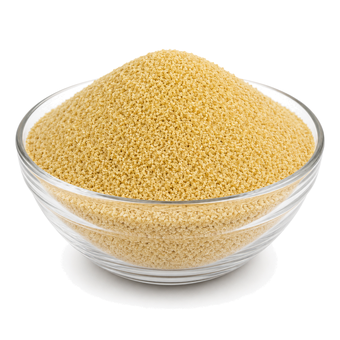
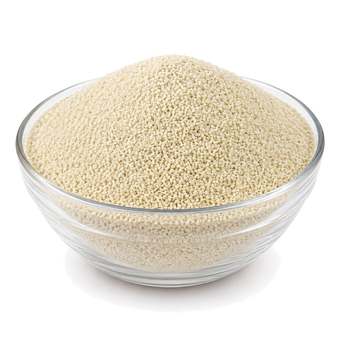
Ragi Idly Ravva, also known as Finger Millet Idly Ravva, is made from traditional ragi grains that are cleaned and coarsely milled into ravva. It can be used along with urad dal to prepare homemade fermented idly.
At Sampoorna Swadesi, we focus on knowing the source of our grains and maintaining relationships with farming families.
From Ragi to Idly Ravva
Our ragi is sourced through various farming families in India. Different crops require different soil and climatic conditions, so the actual farmer and source may vary depending on crop availability and season.
The ragi grains are cleaned and coarsely milled to produce Ragi Idly Ravva.
The actual farmer and source may vary by batch depending on crop availability and sourcing.
Our Approach
- Made from traditional Ragi / Finger Millet
- Sourced through farming families
- Traditional/indigenous grain
- No intentional adulteration
- Naturally handled and stored
- Coarsely milled for idly preparation
We do not claim organic certification. Our focus is on knowing the farmer, knowing the land and understanding where our food comes from.
What is Ragi Idly Ravva?
Ragi Idly Ravva consists of coarsely milled ragi granules that can be used to prepare fermented idly batter.
It can be combined with urad dal, soaked, prepared into batter, fermented and steamed to make idly.
Common Uses
Ragi Idly Ravva can be used for:
- Ragi Idly
- Finger Millet Idly
- Fermented Ragi Idly
- Homemade Idly Batter
- Mixed Millet Idly
- Other steamed savoury preparations
Basic Preparation
- Wash and soak the Ragi Idly Ravva.
- Separately soak urad dal.
- Prepare the urad dal batter.
- Mix with the soaked ragi ravva.
- Allow the batter to ferment appropriately.
- Steam the fermented batter in idly moulds.
The soaking and fermentation time can vary depending on weather conditions, water and the desired texture.
Why Can Black Storage Pests Appear?
Traditionally handled grains and ravva can occasionally develop small black storage insects or pests, particularly under warm and humid conditions.
Their presence does not automatically indicate adulteration.
Because we focus on traditional grains and natural handling and storage practices rather than relying on chemical pest-control treatments, occasional storage pests can occur.
Tiny insect eggs or larvae may sometimes be present in stored grains and may not be visible during processing. Under favourable conditions, they can develop later.
How to Store Ragi Idly Ravva
For better storage:
- Transfer into a clean, completely dry airtight container.
- Store in a cool, dry place.
- Protect from moisture and humidity.
- Always use a clean, dry spoon.
- Do not mix newly purchased ravva with an older batch.
- Check before use.
- Refrigeration can help maintain freshness and reduce storage pest activity.
Our Replacement Policy
As this is a traditionally handled grain product, normal variation in colour, texture or occasional storage insects does not automatically qualify for replacement.
However, if you notice a genuine quality issue such as:
- Visible fungus or mould
- White worms or larvae
- Significant deterioration
- Strong abnormal odour
- Other serious quality concerns
please contact us with clear photographs and your order details so that we can review the issue.
Our Sampoorna Swadesi Approach
We believe food is more than a packet with a label.
Know the Farmer → Know the Land → Know the Farming → Know Your Food
Our focus is on traditional grains, relationships with farming families and understanding the source of our food.
Our products are not presented as certified organic. Instead, we openly share our sourcing and traditional handling approach.
| Weight | 0.5 kg |
|---|
Related products