- You have no items in your shopping cart
- Continue Shopping


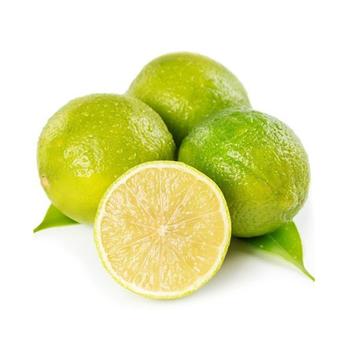
Mosambi 1 Kg
$10.85
Add to cart
Mosambi
Also Known As: Sweet Lime, Mosambi, Musambi, Sathukudi
Mosambi, commonly known as Sweet Lime, is a citrus fruit known for its mild sweetness, gentle citrus aroma and refreshing juice. Compared with many other citrus fruits, Mosambi generally has a less sharp and less acidic flavour.
Our Mosambi is sourced through farming families and agricultural networks associated with Bengaluru, Karnataka, following traditional and indigenous farming practices. The actual farmer, growing area, variety and harvest characteristics may vary depending on the season and availability.
As a fresh citrus fruit, Mosambi naturally varies in size, peel colour, juiciness, sweetness and acidity.
Benefits of Using
Mosambi naturally provides:
- Vitamin C, a naturally occurring nutrient.
- Dietary fibre, particularly when the whole fruit is consumed.
- Folate (vitamin B9) in varying amounts.
- Potassium, a naturally occurring mineral.
- High natural water content, making it a refreshing fruit.
- Naturally occurring citrus plant compounds and flavonoids.
These are general nutritional characteristics and are not medical claims.
Common Uses
Mosambi can be enjoyed in many ways:
- Eaten fresh
- Fresh Mosambi juice
- Fruit salads
- Breakfast fruit
- Fresh fruit bowls
- Smoothies
- Citrus-based beverages
- Desserts
- Fruit-based sauces and dressings
The fruit can be cut and squeezed for juice or peeled and separated into segments for fresh consumption.
Natural Freshness & Shelf Life
Mosambi has a natural protective peel that helps protect the juicy flesh inside. During storage, the fruit may naturally:
- Lose moisture
- Become slightly softer
- Develop minor marks on the peel
- Develop a drier or slightly wrinkled peel
- Become less juicy during prolonged storage
- Develop soft or mouldy areas if damaged or kept under unsuitable conditions
The outer peel may show minor natural marks without necessarily indicating that the inside is spoiled.
Why Mosambi May Spoil
Mosambi can deteriorate due to natural ageing, physical damage, excess moisture and unsuitable storage conditions.
It may spoil faster when:
- Bruised or damaged
- Exposed to excessive moisture
- Stored in unsuitable temperatures
- Kept for an extended period
- Damaged fruits are stored together with healthy fruits
We rely on proper harvesting, handling and natural storage practices, rather than chemical preservatives to artificially extend the shelf life of fresh fruit.
Storage
For better freshness:
- Store Mosambi in a cool, dry place for short-term use.
- Refrigeration can help maintain freshness for longer storage.
- Keep the fruit dry.
- Handle gently to avoid bruising.
- Remove damaged or mouldy fruits promptly.
- Once cut or juiced, refrigerate in a clean, covered container and consume appropriately.
Natural Variation
Naturally grown Mosambi may vary in:
- Size
- Shape
- Peel colour
- Peel thickness
- Juiciness
- Sweetness
- Acidity
- Seed quantity
- Segment size
- Aroma
Some fruits may naturally be more juicy or sweeter than others. The balance between sweetness and acidity can vary according to variety, maturity, season, soil and growing conditions.
Replacement Policy
Generally, fresh fruits are not eligible for replacement because of normal natural variation or ordinary deterioration after delivery.
Differences in size, shape, peel colour, peel thickness, juiciness, sweetness, acidity and seed characteristics are natural characteristics of Mosambi.
If there is a genuine quality issue that was already present at the time of delivery, please provide clear photographs and the relevant order details. The matter can be reviewed on a case-by-case basis.
Our Commitment
We aim to provide Mosambi sourced through farming families and agricultural networks associated with Bengaluru, Karnataka, using traditional and indigenous farming practices.
As with all fresh fruits, Mosambi naturally varies according to variety, season, soil, weather, maturity, harvesting and storage conditions. We encourage customers to understand these natural characteristics and store the fruit appropriately.
Know the farmer. Know the source. Understand the food. Store it properly. Enjoy it fresh.
| Weight | 1 kg |
|---|
Related products